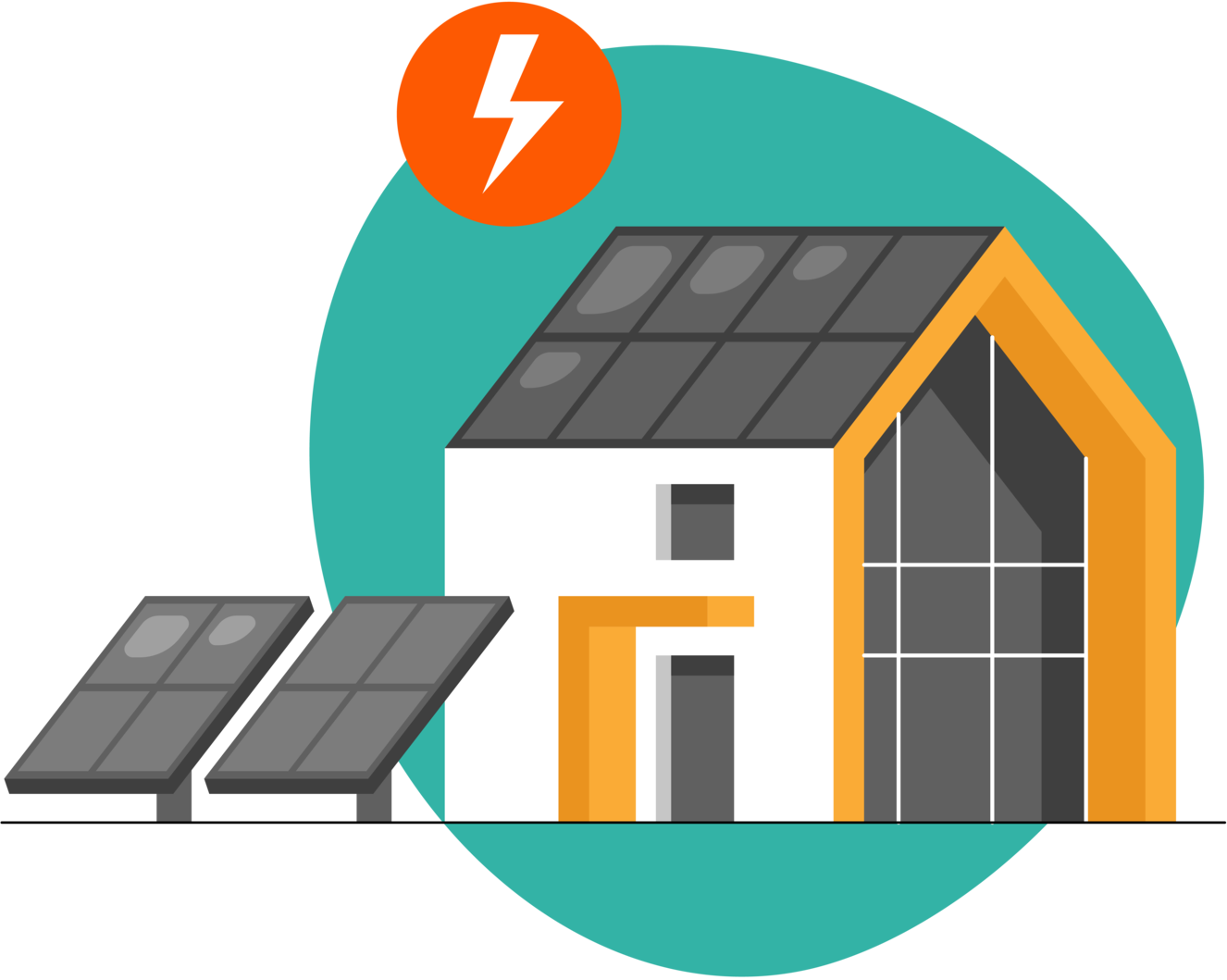
You can subscribe to a share of a larger solar farm in your area.
No need for rooftop panels, home ownership, or upfront installation costs.
02
Lower Electricity Bills
You typically get credits on your utility bill for the electricity your share produces.
Most programs guarantee savings — often 5–20% off your normal electric rate.
03
Clean, Renewable Energy
Your subscription supports local renewable power generation.
Reduces your carbon footprint and dependence on fossil fuels
04
Supports Local Communities
Projects are built locally, creating jobs and keeping energy dollars in the community.
Can help utilities meet renewable energy goals without major new infrastructure.
05
Flexible, Low-Risk Participation
Most programs allow you to join or leave with little or no penalty.
No long-term maintenance or system ownership responsibility.
06
Inclusive Access
Renters, condo owners, and low-income households can all participate.
Many states require programs to reserve shares for low-to-moderate-income residents.
How Community Solar Credits Work
01
You subscribe to a share of a solar farm.
You might sign up for, say, 5% of the farm’s output — enough to roughly match your household’s monthly electricity usage.
02
The solar farm produces electricity.
That energy goes into the local electric grid (not directly to your home).
03
Your share of the production is tracked.
The utility measures how much energy your portion of the farm generated that month — for example, 500 kilowatt-hours (kWh).
04
You earn bill credits from the utility.
The utility applies a credit to your monthly bill for that 500 kWh, valued at the standard retail or community solar rate (depends on your state’s rules).
05
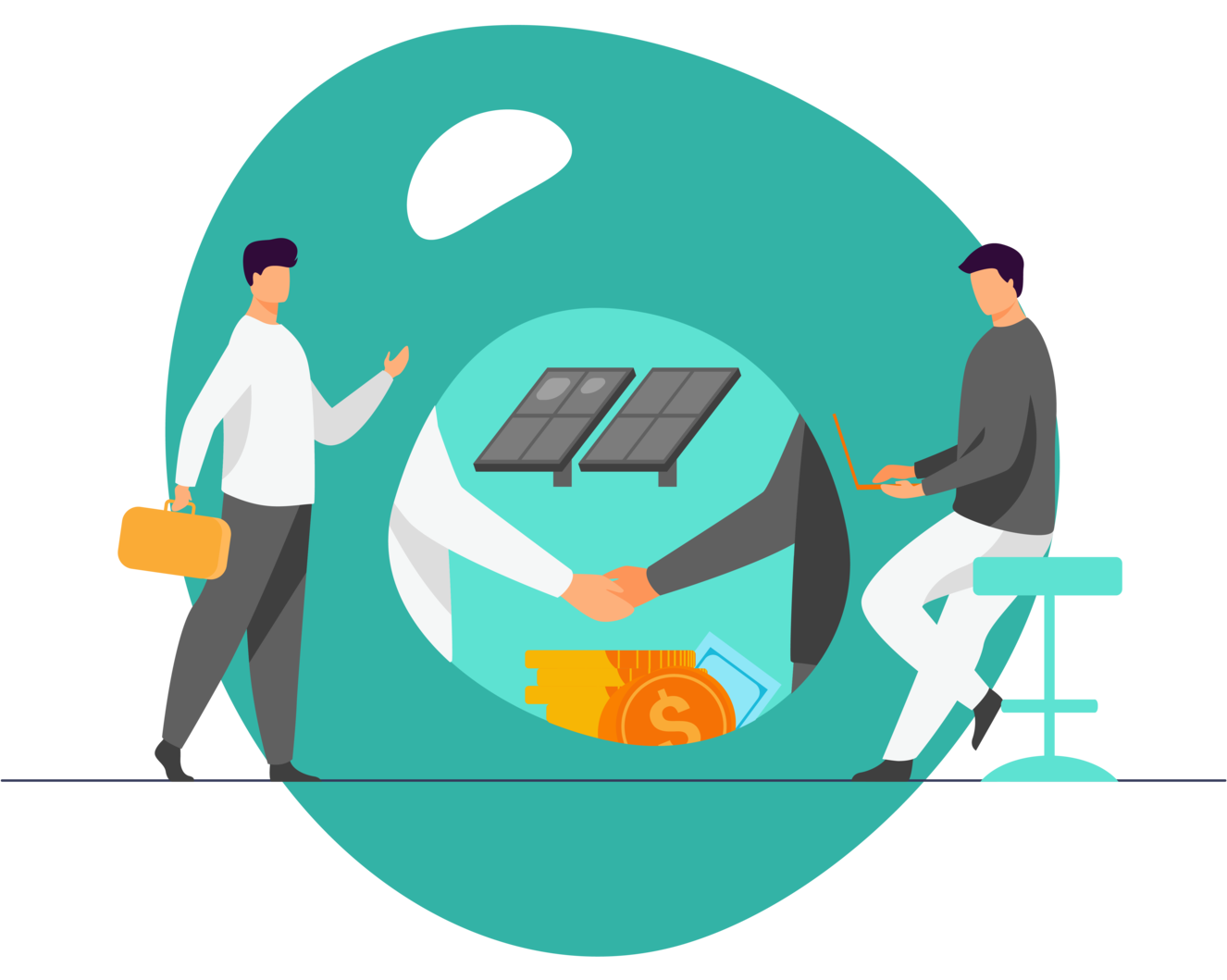
You pay the solar provider for your share.
You pay a subscription fee — usually 5–20% less than the value of the credits you earned.
Example
If your credits are worth $100, you might pay $85 to the solar company and still save $15 that month.